
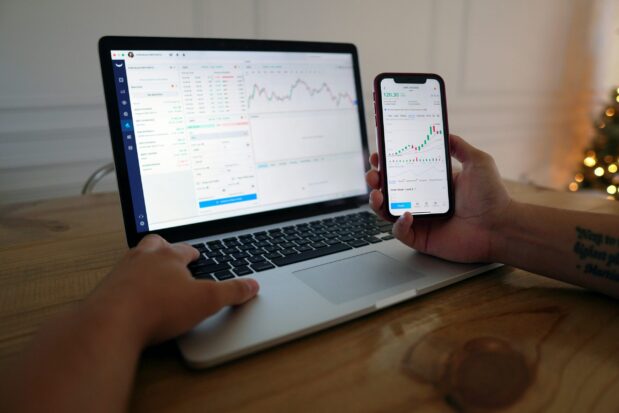
Today, I will explain the following website. (AI-generated)
NY市場サマリー(9日)2年債利回り・ドル上昇、S&P過去最高値(ロイター) – Yahoo!ニュース
Understanding Forex: The USD/JPY Currency Pair
The USD/JPY currency pair represents the exchange rate between the US Dollar and the Japanese Yen. It’s one of the most traded currency pairs in the world, and its fluctuations are influenced by various factors including economic indicators, interest rate differentials, and geopolitical events. For investors interested in Forex trading, understanding the dynamics of USD/JPY is crucial for making informed decisions.
What Drives the USD/JPY Exchange Rate?
Several factors can affect the USD/JPY exchange rate. Key drivers include the monetary policies of the Federal Reserve (Fed) and the Bank of Japan (BoJ), economic data releases, and market sentiment. For instance, if the Fed indicates a potential rate hike, the USD often strengthens against the JPY. Conversely, if the BoJ adopts more accommodative policies, the Yen may weaken, causing the pair to rise.
Interpreting the Latest Employment Statistics and Their Impact
The latest US employment statistics can have a significant impact on the USD/JPY pair. For example, lower-than-expected job growth may lead to a weaker USD as it suggests a potential slowdown in the economy, which could defer interest rate hikes by the Fed. Conversely, a lower unemployment rate and higher wage growth can signal a strengthening economy, potentially leading to a stronger USD.
How Interest Rate Expectations Influence Forex Trading
Interest rate expectations are a major factor in Forex trading. Traders closely watch central bank meetings and announcements for clues on future interest rate changes. If traders expect the Fed to hold rates steady, the USD may not see significant strength. However, if there’s a high probability of a rate hike, the USD could appreciate against the JPY, affecting USD/JPY trades.
Strategies for Forex Traders
Reading Market Indicators for Profitable Trades
Successful Forex traders use a variety of market indicators to make profitable trades. These can include technical analysis tools like moving averages and support/resistance levels, as well as fundamental analysis of economic reports and news events. By understanding these indicators, traders can better predict currency pair movements and execute timely trades.
Adapting to Market Volatility: Tips for Traders
Market volatility can be both a risk and an opportunity for traders. To adapt, traders should have a clear risk management strategy, including setting stop-loss orders to limit potential losses. It’s also important to stay informed about market news and be ready to adjust trades as conditions change.
Global Economic Influences on Forex
Assessing the Impact of US Economic Reports on the Forex Market
US economic reports, such as employment statistics, GDP growth, and inflation rates, can significantly influence the Forex market. A stronger-than-expected report can boost the USD, while a weaker report can lead to a sell-off. Traders should monitor these reports to gauge the health of the economy and anticipate currency movements.
Understanding Geopolitical Risks and Forex Market Dynamics
Geopolitical risks, like tensions between nations or unexpected political events, can lead to market uncertainty and currency volatility. Forex traders need to be aware of these risks and how they may affect currency pairs, including USD/JPY, to manage their positions effectively.
Commodities and Their Correlation with Forex Movements
Commodities such as oil and gold can also impact Forex markets. For instance, Japan’s reliance on imported oil means that rising oil prices can weaken the JPY, as it increases the cost of imports. Similarly, gold is often seen as a safe-haven asset, and its price can influence investor sentiment and currency values.